

Replacing a roof represents one of the most significant home improvement investments you’ll face as a property owner. With costs potentially reaching tens of thousands of pounds, finding the most economical approach without compromising on quality becomes essential for protecting both your home and your budget.
The key to achieving cost-effective roof replacement lies in understanding the various factors that influence pricing, from materials and labour to timing and additional structural requirements. By making informed decisions about these elements, homeowners can substantially reduce their overall expenditure whilst ensuring their new roof provides decades of reliable protection.
What Is the Least Expensive Roof Replacement?
The most economical roof replacement typically involves using basic asphalt felt tiles combined with minimal structural modifications. This approach can cost between £3,000 to £6,000 for an average terraced house, compared to premium materials like slate or clay tiles that may cost £15,000 or more.
Concrete tiles also represent excellent value, offering durability and weather resistance at approximately 30% less cost than natural slate. These tiles provide a lifespan of 30-50 years whilst maintaining an attractive appearance that suits most UK property styles.
| Roofing Material | Cost per m² | Average House Cost | Lifespan |
|---|---|---|---|
| Asphalt felt tiles | £40-60 | £4,000-6,000 | 15-20 years |
| Concrete tiles | £50-80 | £5,000-8,000 | 30-50 years |
| Clay tiles | £60-100 | £6,000-10,000 | 50+ years |
| Natural slate | £80-150 | £8,000-15,000 | 75+ years |
Need some Roof Replacement Support? Speak with one of our Roof Replacement Experts today!
How Much Does It Cost to Replace a Whole Roof in the UK?
Complete roof replacement costs in the UK typically range from £5,000 for a small terraced property to £20,000 for larger detached homes. These figures include materials, labour, scaffolding, and waste disposal, though additional factors can influence the final price significantly.
Regional variations play a substantial role in pricing, with London and South East properties often experiencing costs 20-30% higher than northern regions. The complexity of your roof design, including features like dormers, chimneys, or valley configurations, can also increase labour time and material requirements considerably.
Property size and roof complexity directly impact the overall investment required. A straightforward hip or gable roof on a standard three-bedroom semi-detached house typically costs £8,000-12,000, whilst Victorian terraces with multiple chimneys and complex valley arrangements may require £15,000-18,000 for complete replacement.
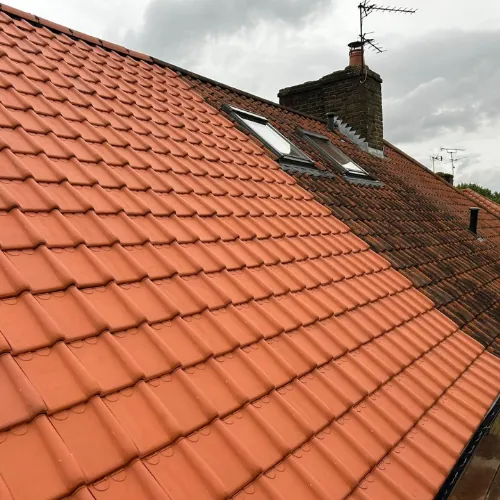
Stock Image: [Roofers replacing tiles on UK terraced house with scaffolding – Alt tag: “Professional roofers replacing roof tiles on UK terraced house showing complete roof replacement project”]
Can I Get a Government Grant for a New Roof?
Several government schemes can help reduce roof replacement costs, particularly for energy efficiency improvements and low-income households. The Energy Company Obligation (ECO4) scheme provides funding for eligible homeowners to improve their property’s energy efficiency, which may include roof insulation upgrades during replacement projects.
Local authorities also offer Disabled Facilities Grants up to £30,000 for essential home modifications, which can include roof repairs if they’re necessary for the occupant’s health and safety. Additionally, some councils provide emergency repair grants for urgent roofing work that poses immediate risks to residents.
What Is the Cheapest Type of Roof to Install?
Flat roofing systems represent the most economical option for new installations, with EPDM rubber membranes costing £40-60 per square metre including installation. These modern materials offer excellent durability and can be installed quickly, reducing labour costs significantly compared to pitched roof systems.
For pitched roofs, corrugated metal sheeting provides the lowest-cost option at approximately £25-40 per square metre. However, this material is typically more suitable for outbuildings or industrial applications rather than residential properties due to aesthetic considerations and planning restrictions.
| Roof Type | Installation Cost | Material Cost | Labour Time | Best Use |
|---|---|---|---|---|
| Flat EPDM | £40-60/m² | £15-25/m² | 1-2 days | Extensions |
| Corrugated metal | £25-40/m² | £10-20/m² | 1 day | Outbuildings |
| Felt tiles | £45-65/m² | £20-30/m² | 2-3 days | Main house |
| Concrete tiles | £55-85/m² | £25-35/m² | 3-4 days | Main house |
The Building Regulations requirements must be considered when selecting cheaper roofing options, as some materials may require additional insulation or structural modifications to meet current thermal performance standards.
Achieving Cost-Effective Roof Replacement Solutions
Successful budget management for roof replacement requires careful planning and strategic decision-making across multiple project phases. The most significant savings typically come from choosing appropriate materials for your specific circumstances rather than automatically selecting the cheapest available options.
Timing your project during quieter periods for roofing contractors, typically late autumn or winter, can result in labour cost reductions of 10-20%. However, weather delays during these periods may extend project timelines, so balance potential savings against the inconvenience of longer completion periods.
Working with established local contractors who understand UK building standards often proves more economical than engaging the cheapest available quotes. These professionals can identify potential cost savings through their experience whilst ensuring compliance with building regulations and manufacturer warranty requirements.
What’s the Cheapest Way to Replace a Roof: Frequently Asked Questions
Partial replacement is possible but often proves false economy due to mismatched materials and potential structural inconsistencies. Most contractors recommend complete replacement for roofs over 20 years old to avoid repeated disruption and ensure consistent weather protection.
Labour costs can be minimised by choosing simpler roof designs, scheduling work during contractors’ quieter periods, and ensuring clear site access for materials delivery. Removing old materials yourself can also reduce costs, though this requires proper safety equipment and waste disposal arrangements.
Minor repairs typically cost £200-800, whilst major repairs can reach £3,000-5,000 for extensive work. According to roofing repair guidance, replacement becomes more economical when repair costs exceed 30% of total replacement cost or when multiple repairs are needed annually.
Many roofing companies offer payment plans or work with specialist finance providers for home improvements. Personal loans, remortgaging, or home improvement loans can spread costs over several years, though interest charges must be factored into total project costs.
Signs requiring replacement include multiple missing tiles, visible daylight through the roof structure, extensive moss growth, and age exceeding the material’s expected lifespan. Professional surveys can determine whether repair or replacement offers better long-term value.
Insurance typically covers storm damage or sudden events but excludes general wear and deterioration. Check your policy terms and contact your insurer immediately after damage occurs to understand coverage and claims procedures.
Most roof replacements fall under Permitted Development Rights and don’t require planning permission if using similar materials. However, listed buildings, conservation areas, or material changes may need approval, so check with your local planning authority before starting work.
Standard terraced house roofs typically require 3-5 working days for complete replacement, depending on weather conditions and roof complexity. Larger properties or complicated designs may need 1-2 weeks, with additional time for material delivery and waste removal.
Replacing guttering simultaneously with roof work proves more economical than separate projects due to shared scaffolding costs. New roofing may also require larger guttering to handle increased water flow, particularly with modern high-performance tiles.
Late autumn and winter typically offer lower labour rates due to reduced demand, though weather delays may extend project timelines. Spring and early summer command premium rates but offer more predictable completion schedules.
Reclaimed tiles can offer significant savings whilst maintaining authentic appearance for period properties. However, ensure materials meet current building standards and factor in additional sorting and cleaning time that may offset some cost benefits.
London and South East England typically cost 25-40% more than northern regions due to higher labour rates and material transport costs. Scotland and Wales often offer competitive pricing, though material availability may affect scheduling.
Reputable contractors should provide minimum 10-year workmanship warranties even for budget installations, with material warranties varying from 10-30 years depending on tile type. Ensure all warranties are provided in writing and understand what maintenance requirements may affect coverage.
Common additional costs include scaffolding hire, waste disposal permits, fascia board replacement, and upgraded insulation to meet building regulations. Request detailed written quotes that specify all potential additional charges to avoid budget surprises during the project.