

Selecting the optimal flat roofing material for your UK property represents a critical investment decision that directly impacts your building’s weather protection, energy efficiency, and long-term value. With Britain’s challenging climate conditions, from persistent rainfall to temperature fluctuations, choosing the right material determines whether your flat roof provides decades of reliable service or becomes a source of ongoing maintenance headaches.
Modern flat roofing technology has evolved significantly, offering property owners superior material options that outperform traditional systems whilst meeting stringent UK Building Regulations. Understanding the performance characteristics, installation requirements, and cost implications of each material type enables informed decision-making that protects your investment and ensures compliance with current building standards.
EPDM Rubber Membrane Systems for Long-Term Performance
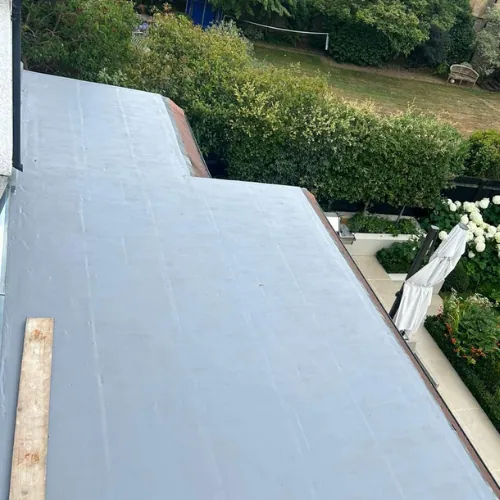
EPDM (Ethylene Propylene Diene Monomer) rubber membrane consistently emerges as the premier choice for UK flat roofing applications due to its exceptional durability and weather resistance. This synthetic rubber material maintains flexibility across extreme temperature ranges, preventing cracking during freeze-thaw cycles that commonly affect British properties during winter months.
The material’s proven track record spans over four decades, with properly installed EPDM systems regularly achieving 25-30 year lifespans whilst requiring minimal maintenance. Professional contractors appreciate EPDM’s streamlined installation process, which reduces labour costs and project completion times compared to multi-layer systems. For comprehensive flat roofing installation services that ensure optimal EPDM performance, experienced contractors utilise specialised adhesives and seaming techniques that create permanent waterproof barriers.
Need some Flat Roofing Support? Speak with one of our Flat Roofing Experts today!
TPO Membrane Energy Efficiency Benefits
Thermoplastic Polyolefin (TPO) membrane delivers superior energy efficiency through its highly reflective white surface, making it increasingly popular for UK commercial buildings seeking enhanced thermal performance ratings. The material’s ability to reflect solar radiation reduces cooling loads during summer months whilst maintaining excellent flexibility in cold weather conditions.
TPO installations must comply with UK Building Regulations Part L thermal performance requirements, often exceeding minimum standards through the membrane’s inherent insulation properties. The material’s chemical resistance proves particularly valuable in urban environments where industrial pollution and airborne contaminants can degrade lesser roofing materials over time.
Modified Bitumen Multi-Layer Protection Systems
Modified bitumen systems provide robust flat roof protection through multiple membrane layers that create redundant waterproofing barriers. These systems incorporate polymer modifications that enhance traditional bitumen’s flexibility and weather resistance, delivering reliable performance across the UK’s variable climate conditions.
The installation process involves torch-applied or self-adhered membrane layers, with each layer contributing to the system’s overall durability and puncture resistance. Professional contractors often recommend modified bitumen for buildings with heavy foot traffic or mechanical equipment installations, where enhanced protection against physical damage proves essential.
| Material Type | Expected Lifespan | UK Weather Rating | Energy Efficiency | Initial Cost Range |
|---|---|---|---|---|
| EPDM Rubber | 25-30 years | Excellent | Good | £45-65/m² |
| TPO Membrane | 20-25 years | Very Good | Excellent | £50-70/m² |
| Modified Bitumen | 20-25 years | Good | Fair | £40-60/m² |
| Built-Up Felt | 15-20 years | Fair | Poor | £35-50/m² |
| Liquid Membrane | 15-25 years | Good | Good | £55-75/m² |
Which Roof Material Performs Better: EPDM or TPO?
EPDM and TPO membranes each offer distinct advantages, making the choice dependent on specific project requirements and priorities. EPDM excels in longevity and proven performance, with decades of successful installations demonstrating its reliability in diverse climatic conditions, whilst TPO provides superior energy efficiency and chemical resistance.
From a UK perspective, EPDM typically represents the more cost-effective long-term solution due to its exceptional durability and minimal maintenance requirements. However, TPO becomes increasingly attractive for larger commercial buildings where energy efficiency gains can offset the slightly higher initial investment, particularly given current UK government incentives for energy-efficient building improvements.
| Performance Factor | EPDM Rating | TPO Rating | Key UK Consideration |
|---|---|---|---|
| Longevity | 9/10 | 7/10 | EPDM’s proven track record |
| Energy Efficiency | 6/10 | 9/10 | TPO’s reflective properties |
| Installation Cost | 8/10 | 6/10 | EPDM’s simpler installation |
| Weather Resistance | 9/10 | 8/10 | Both excellent for UK climate |
The UK’s Planning Portal provides comprehensive guidance on flat roof specifications and approval requirements, ensuring your chosen material meets local building standards. Professional installation remains crucial regardless of material selection, as improper installation can significantly reduce any system’s effectiveness and lifespan.
Selecting the Optimal Flat Roofing Solution for Your Property
Choosing the best flat roofing material requires careful consideration of your specific circumstances, including building type, budget constraints, and long-term maintenance preferences. EPDM rubber membrane generally provides the most balanced combination of performance, longevity, and value for UK residential applications, whilst TPO offers additional benefits for commercial properties prioritising energy efficiency.
Professional assessment remains essential for determining the most suitable option for your particular situation. A qualified roofing contractor can evaluate your existing structure, drainage requirements, and local environmental factors to recommend the optimal material and installation approach.
The investment in quality flat roofing materials pays dividends through reduced maintenance costs, improved property value, and enhanced protection against the UK’s challenging weather conditions. Consider these factors when making your final decision:
What Type of Roofing is Best for a Flat Roof: Frequently Asked Questions
EPDM rubber membrane provides the best long-term value for UK residential flat roofs, combining reasonable initial costs with exceptional durability and minimal maintenance requirements. The material’s 25-30 year lifespan and resistance to UK weather conditions make it the most economical choice over time.
Most residential flat roof installations require 2-3 days for completion, depending on roof size and complexity. Weather conditions can extend installation timelines, particularly during winter months when temperature and moisture requirements must be carefully managed.
Yes, UK flat roofs must incorporate adequate drainage systems to handle frequent rainfall and prevent standing water accumulation. Building Regulations require falls of at least 1:40 to gutters or rainwater outlets, with backup drainage provisions for larger roofs.
Annual inspections and bi-annual cleaning of drainage systems represent the primary maintenance requirements for quality flat roofing materials. Professional inspections should check for membrane integrity, drainage functionality, and any penetration issues that could compromise waterproofing.
Professional installation is strongly recommended for all flat roofing systems to ensure proper waterproofing and compliance with UK Building Regulations. DIY installation typically voids material warranties and may result in costly water damage if improperly executed.
Modern flat roofing materials like EPDM and TPO are specifically designed to withstand UK weather extremes, from heavy rainfall to occasional snow loads and high winds. Quality materials maintain their integrity across temperature ranges from -40°C to +120°C, far exceeding UK climate requirements.
UK Building Regulations Part L governs thermal performance requirements, whilst Part H addresses drainage specifications for flat roofs. Planning permission may be required for certain installations, particularly on heritage properties or in conservation areas.
Properly designed flat roofs can support similar loads to pitched roofs, typically handling 150kg per square metre for residential applications. The structural capacity depends more on the supporting framework than the roofing membrane material itself.
Multiple leaks, widespread membrane cracking, or structural sagging indicate replacement requirements rather than simple repairs. Roofs approaching 20 years of age with recurring problems typically benefit more from complete replacement than ongoing patch repairs.
Most UK insurers treat properly installed and maintained flat roofs similarly to pitched roofs for premium calculations. Some insurers may require additional documentation or inspections for certain commercial flat roof applications, but residential properties typically see no premium impact.
TPO membrane provides superior energy efficiency through its highly reflective white surface, reducing cooling loads in summer months. For comprehensive information about flat roof energy performance, visit the flat roof Wikipedia page which details thermal properties of different materials.
Initial flat roof installation costs typically run 10-20% lower than equivalent pitched roof systems, though material selection significantly impacts final pricing. The simplified installation process and reduced labour requirements often offset any premium material costs.
Quality flat roofing materials offer 15-25 year manufacturer warranties, with some EPDM systems providing up to 30-year coverage. Professional installation warranties typically add 5-10 years of additional protection against workmanship issues.
Flat roofs provide excellent platforms for solar panel installations, often delivering better orientation control than pitched roofs. UK government solar incentives make flat roof solar installations increasingly attractive for both residential and commercial properties.