

Discovering structural issues with your chimney can be alarming for any homeowner. Crumbling mortar, damaged bricks, and deteriorating masonry not only compromise your home’s safety but can also lead to costly repairs if left unaddressed.
A failing chimney poses serious risks including structural collapse, water damage, and compromised fire safety. Taking prompt action when you notice signs of deterioration will help preserve your property’s integrity and protect your family from potential hazards.
How to fix a crumbling chimney?
The repair approach for a deteriorating chimney depends largely on the extent of damage and the underlying cause of deterioration. Minor mortar joint issues can often be resolved through repointing, whilst more severe structural problems may require partial or complete reconstruction.
Begin by conducting a thorough inspection to identify all affected areas, checking for loose bricks, cracked mortar joints, and signs of water penetration. Professional assessment becomes essential when damage extends beyond surface-level issues, as improper repairs can exacerbate existing problems and create new safety hazards.
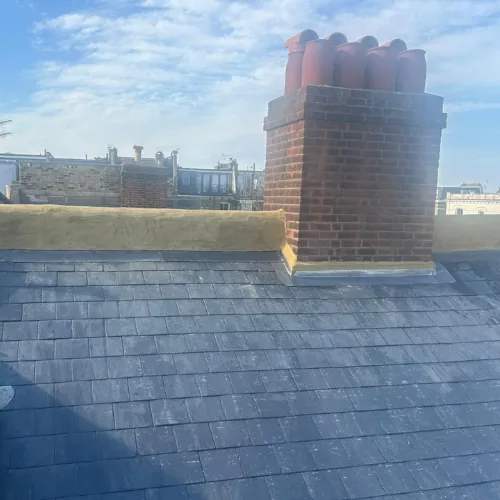
Need some Chimney Repairs Support? Speak with one of our Chimney Repairs Experts today!
How much does it cost to take down and rebuild a chimney?
Chimney repair costs in the UK vary significantly based on the scope of work required and accessibility of the structure. Basic repointing typically ranges from £800 to £1,500 for a standard domestic chimney, whilst more extensive repairs involving brick replacement or structural work can cost between £2,000 and £5,000.
Several factors influence the final price including the height of your property, extent of damage, quality of replacement materials, and regional labour rates. Properties requiring scaffolding or specialist access equipment will incur additional costs, potentially adding £500 to £1,200 to the overall project expense.
| Repair Type | Cost Range | Duration |
|---|---|---|
| Mortar repointing | £800 – £1,500 | 2-3 days |
| Partial brick replacement | £1,500 – £3,000 | 3-5 days |
| Crown/cap replacement | £600 – £1,200 | 1-2 days |
| Flashing repair | £300 – £800 | 1 day |
How much does it cost to take down and rebuild a chimney?
Complete chimney demolition and reconstruction represents the most comprehensive but expensive solution for severely damaged structures. Full rebuild costs typically range from £3,500 to £8,000 for a standard domestic chimney, with prices varying based on height, complexity, and material specifications.
The process involves careful dismantling of the existing structure, foundation inspection and potential reinforcement, and construction of a new chimney using modern materials and techniques. While substantial, this investment often proves more economical than repeated repairs when dealing with extensively deteriorated chimneys that continue to present ongoing maintenance challenges.
How much does it cost to replace spalled bricks?
Spalled brick replacement costs depend on the number of affected bricks and their accessibility within the chimney structure. Individual brick replacement typically costs £15 to £30 per brick including labour, though minimum call-out charges often apply for small jobs.
Extensive spalling affecting multiple courses of brickwork can cost between £1,000 and £3,000 depending on the quantity and location of damaged bricks. The process requires careful removal of deteriorated bricks, preparation of surrounding mortar joints, and installation of matching replacement bricks to maintain structural integrity and aesthetic consistency.
| Spalling Severity | Affected Bricks | Cost Range |
|---|---|---|
| Minor | 5-10 bricks | £200 – £400 |
| Moderate | 11-25 bricks | £500 – £1,000 |
| Extensive | 26-50 bricks | £1,000 – £2,500 |
| Severe | 50+ bricks | £2,500+ |
Understanding your legal responsibilities regarding chimney maintenance becomes crucial when planning repairs. The Building Regulations require compliance with safety standards for any structural work, whilst Planning Permission may be necessary for extensive alterations or complete rebuilds in certain areas.
What to do about a crumbling chimney: taking action
Addressing a deteriorating chimney requires systematic evaluation and prompt intervention to prevent escalation into more serious structural problems. Professional assessment should be your first step, as qualified builders and structural engineers can identify underlying causes and recommend appropriate remedial measures based on the specific condition of your chimney.
Time sensitivity plays a critical role in chimney maintenance, as deterioration accelerates once water penetration begins compromising the structure. Weather exposure, freeze-thaw cycles, and continued use of a compromised chimney can rapidly transform minor issues into major structural failures requiring extensive reconstruction.
Regular maintenance and early intervention prove far more cost-effective than emergency repairs or complete rebuilds. Consider the following essential actions:
What to do about a crumbling chimney: Frequently Asked Questions
Chimney height, accessibility, and extent of damage represent the primary cost drivers, with tall or difficult-to-reach chimneys requiring specialist equipment and safety measures. Material costs for quality lime mortar and matching bricks also impact the final price, particularly for heritage properties requiring specific products.
Most standard repairs complete within 2-5 working days, depending on weather conditions and the scope of work required. Complex rebuilds or structural repairs may extend to 2-3 weeks, with contractors scheduling work around suitable weather windows for optimal results.
Professional assessment determines whether repair or rebuild offers better value, typically recommending rebuilds when repair costs exceed 60-70% of replacement costs. Chimney construction involves complex engineering considerations that qualified specialists evaluate during detailed inspections.
Photographic evidence, professional assessment reports, and maintenance records support successful insurance claims for storm or impact damage. Contact your insurer immediately after discovering damage to understand specific documentation requirements and claim procedures.
Minor pointing issues allow temporary delays, but structural problems require immediate attention to prevent escalating damage and safety hazards. Postponing necessary repairs often results in significantly higher costs as problems compound over time.
Seek contractors with relevant masonry qualifications, comprehensive insurance coverage, and positive customer references from recent projects. Membership in professional bodies like the Guild of Master Craftsmen indicates commitment to industry standards and ongoing training.
Annual inspections help identify developing issues before they require expensive repairs, with bi-annual checks recommended for properties with regular fireplace use. The Building Regulations specify maintenance requirements for various chimney types and usage patterns.
Repointing typically costs £300-800 for standard chimneys, while rebuilding ranges from £2,000-6,000 depending on height and complexity. Repointing addresses mortar deterioration while rebuilding replaces entire sections of damaged brickwork or structure.
London and South East England command premium rates 20-40% above national averages, while northern regions typically offer more competitive pricing. Local material availability and labour costs drive these regional variations in repair quotations.
Multiple quotations ensure competitive pricing while scheduling work during contractors’ quieter winter periods may secure discounts. Combining repairs with other roofwork or maintaining good access to your property helps reduce setup costs.
Reputable contractors typically offer 5-10 year warranties on repointing work and structural repairs, with material defects covered separately. Ensure warranty terms are clearly documented in writing before work commences for future protection.
Severe weather may require temporary protection measures or work delays, potentially increasing project costs through extended timescales. Spring and autumn generally provide optimal conditions for chimney work, avoiding summer heat stress and winter freeze risks.
Scaffolding, waste disposal, and unexpected structural issues can add 10-30% to initial quotations, emphasising the importance of contingency budgeting. Professional contractors should highlight potential additional costs during their initial assessment and quotation process.
Request photographic documentation of completed work, particularly areas not visible from ground level, and ensure all warranty documentation is properly completed. Independent building surveyors can verify work quality for significant repairs if you require additional assurance.