
The main problems with dry verge are poor fitting, cheap plastic that fades and cracks, and a different look from traditional mortar. A well fitted quality system rarely gives trouble. Here is what goes wrong, how to fix it and when a dry verge is a good choice.
What is the problem with dry verge?
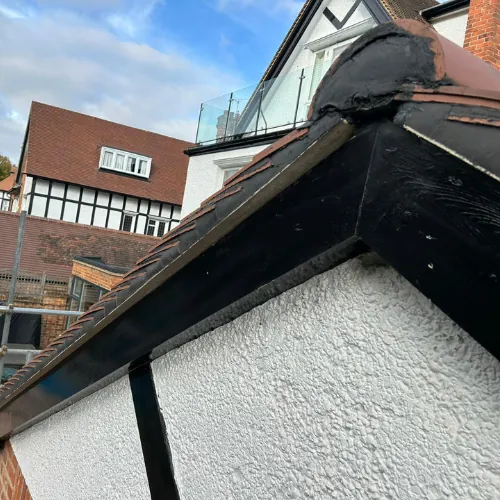
Most issues come from installation, not the idea itself. Clips that are not fixed to the batten, units that overlap badly and gaps at the ridge or eaves let wind and rain in. Cheap plastic may also fade, warp or split after a few summers.
Another common complaint is appearance. Some people feel the plastic cap looks less traditional than a mortar verge. If you live in a period home or conservation area, check the local rules and consider a sympathetic colour or profile.
What is the lifespan of a roof with a dry verge?
A dry verge does not shorten the life of a roof. In fact, by securing the edge tiles it can extend it. Most tiled roofs last 40 to 60 years, and a good dry verge should last 20 to 30 of those before needing replacement.
The key is monitoring. Look at the verge each year, fix issues promptly and keep the rest of the roof in good order. That means clear gutters, secure ridge tiles and no moss build up along the edge.
Need some Dry Verge Roofing support? Speak with a member of our professional dry verge roofing team here
Are dry verges a good idea?
Yes, for most homes. They are fixed mechanically, they do not crack like mortar and they are quicker to install. For exposed sites they can also improve resistance to wind, which is a major cause of verge failure.
The problems tend to arise when the cheapest product is chosen or the fitter has little experience. Ask for the brand name, check it is designed for your tile type and ask to see previous work. A little checking avoids expensive repairs later.
How much does it cost to replace a dry verge?
A full replacement on a typical semi detached house usually costs £400 to £1,200, depending on access and condition. If the problem is just a cracked or lifted unit, a repair might cost under £200.
| Problem | Typical fix | Rough cost |
|---|---|---|
| Single cracked unit | Replace the unit | £80 to £200 |
| Lifted section, loose clips | Refix with new cleats | £150 to £350 |
| Failed system along one rafter | Replace the whole run | £300 to £700 |
| Whole gable, poor original fitting | Strip and refit | £500 to £1,200 |
If a fitter will not give a price for the repair until they have been on site, that is normal. Ask them to take photos of what they find, so you can see why the work is needed before you agree to it.
How do you fix a dry verge?
The roofer will remove the faulty section, check the battens and underlay behind it and refit new units with fresh clips and fixings. Matching the brand and colour matters, so they will often take a sample from the existing system.
If the entire verge is failing, it is usually better to replace it than patch it. Spreading repairs over several years can cost more overall. Ask for a clear quote, a short guarantee and photos of the completed work.
How to avoid problems in the first place
Choose a well known product with a good guarantee, and make sure your roofer is experienced with dry verge systems. Ask them how many they have fitted and whether they will check the battens, underlay and edge tiles first.
Avoid quotes that look too cheap or give no detail. A proper quote lists the product, the length, the fixings and what happens to the old mortar. Ask for photos during the work as well as at the end, so you can see what is under the cap.
Most dry verge problems come from poor products or poor fitting, not the system itself. Pick a reputable brand, use an experienced roofer, and check the verge each year. Minor fixes are cheap, while a full replacement is only needed when the whole run has failed.
What is the problem with dry verge?: Frequently Asked Questions
What is the problem with dry verge?
Poor fitting, cheap plastic that fades or cracks and a different look from traditional mortar are the main issues.
What is the lifespan of a roof with a dry verge?
The roof can last 40 to 60 years, while a good dry verge usually lasts 20 to 30 before replacement.
Are dry verges a good idea?
Yes, for most homes, if a quality product is fitted by an experienced roofer.
How much does it cost to replace a dry verge?
£400 to £1,200 for a typical house. Small repairs can be under £200.
How do you fix a dry verge?
Remove the faulty section, check the battens and refit new units and clips. If the whole system is poor, replacement is better than patching.
Why is my dry verge cracking?
Usually because of UV exposure, cheap plastic or movement caused by poor fixing. Replace cracked units before water gets in.
Can dry verge cause damp?
Only if it is poorly fitted or damaged. A good system seals the edge and keeps the roof dry.
Is dry verge bad for period homes?
It can look out of keeping, so check local rules. Some systems offer more traditional colours and profiles.
Do dry verges blow off in storms?
A well fixed system should stay put. Sections that lift usually have loose clips or damaged battens.
Can I paint a dry verge?
Some plastics can be painted with suitable paint, but it may void the guarantee. Check with the manufacturer.
What should I ask a roofer about dry verge?
Ask about the brand, fixings, guarantee, previous work and how they will deal with the old mortar and battens.
How can I tell if my dry verge was fitted properly?
Look for even alignment, firmly fixed caps and no gaps. Photos from the time of fitting help, as do invoices and guarantees.
Is mortar verge better than dry verge?
Mortar has a traditional look but cracks over time. Dry verge is generally lower maintenance and more secure.
Do I need scaffolding to repair a dry verge?
Usually yes, as it is a safe way to work at the edge of the roof. Small repairs may use a tower or access platform.