

Gutter guards represent a significant investment for UK homeowners, yet understanding their limitations proves crucial before making this decision. While manufacturers tout numerous benefits, several downsides can impact both your home’s functionality and your wallet.
These protective systems aren’t the universal solution many believe them to be. Real-world performance often differs substantially from marketing promises, particularly in Britain’s unpredictable climate conditions.
What is Negative About Gutter Guards?
The primary concerns surrounding gutter guards extend beyond their initial cost. Installation difficulties frequently arise when working with older UK properties, where irregular rooflines and non-standard guttering systems create compatibility issues.
Performance problems manifest when guards become overwhelmed during heavy rainfall periods. The systems that claim to handle all debris often struggle with smaller particles like roof granules and pine needles, which slip through protective barriers and accumulate beneath guards where they’re impossible to remove without complete system removal.
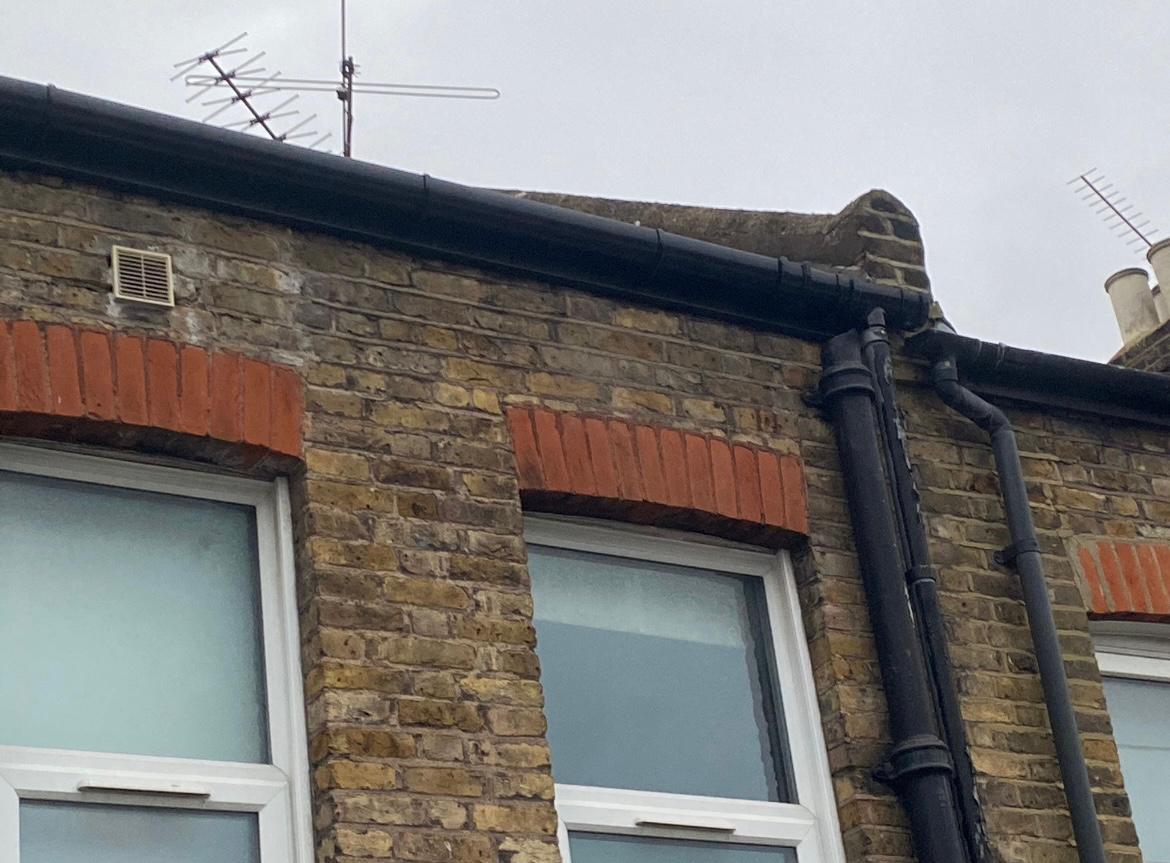
Need some Guttering Support? Speak with one of our Guttering Experts today!
Are Gutter Guards Worth It in the UK?
Cost analysis reveals gutter guards’ questionable value proposition for many British homeowners. Professional installation typically ranges from £8 to £15 per linear foot, meaning a standard semi-detached house requires investment between £800 and £1,500.
| Property Type | Average Linear Footage | Cost Range (Professional Installation) | Annual Maintenance Cost |
|---|---|---|---|
| Terraced House | 60 feet | £480 – £900 | £150 – £300 |
| Semi-detached | 80 feet | £640 – £1,200 | £200 – £400 |
| Detached House | 120 feet | £960 – £1,800 | £300 – £600 |
The payback period extends considerably when factoring in ongoing maintenance requirements. Professional cleaning services charge £150 to £400 annually, negating much of the labour-saving benefit these systems supposedly provide.
What is the Alternative to Gutter Guards?
Traditional maintenance approaches often prove more cost-effective for UK properties. Regular cleaning twice yearly, combined with strategic landscaping to reduce debris sources, maintains guttering efficiency without substantial upfront investment.
Professional gutter cleaning services typically charge between £80 and £200 per visit, making annual costs around £160 to £400. This compares favourably with gutter guard installation costs that often exceed £1,000, plus ongoing maintenance fees.
Why Does Water Run Over My Gutter Guards?
Water overflow occurs when guards create bottlenecks during heavy rainfall events. The protective screening that blocks debris also restricts water flow, particularly problematic during Britain’s intense downpours that can exceed guttering capacity.
| Guard Type | Maximum Flow Rate | Effectiveness During Heavy Rain | Maintenance Frequency |
|---|---|---|---|
| Mesh Guards | 85% of capacity | Poor | Monthly cleaning required |
| Solid Guards | 70% of capacity | Very Poor | Bi-weekly inspection needed |
| Foam Inserts | 60% of capacity | Extremely Poor | Constant monitoring required |
Surface tension issues compound this problem when water doesn’t properly enter guttering systems. Instead of flowing into channels, water follows guard surfaces and overshoots gutters entirely, creating foundation drainage problems that gutter guards were meant to prevent.
According to HSE guidelines on working at height, homeowners attempting DIY guard maintenance face significant safety risks. Professional assessment becomes necessary when guards fail to perform adequately, often requiring complete system replacement rather than simple adjustments.
Additional complications arise from warranty limitations that manufacturers impose. Most guarantees exclude damage from “acts of nature,” meaning the very weather conditions gutter guards should handle void protection coverage.
Understanding the Complete Financial Impact of Gutter Guards
The hidden costs associated with gutter guard ownership extend far beyond initial purchase prices. Insurance implications often surprise homeowners when water damage occurs due to guard-related overflow issues.
Many UK insurance providers specifically exclude claims related to inadequate drainage systems, including problems caused by gutter guards that impede proper water flow. This coverage gap leaves homeowners financially responsible for foundation damage, basement flooding, and exterior wall problems that result from guard-induced overflow.
Professional removal costs add another expense when systems fail to perform adequately. Contractors typically charge £300 to £600 for complete guard removal, as the installation process often involves modifications to existing guttering that complicate restoration to original condition.
What is the Downside to Gutter Guards: Frequently Asked Questions
Gutter guards fail to block smaller debris like roof granules, seeds, and decomposed organic matter that pass through protective barriers. These fine particles accumulate beneath guards where removal requires complete system dismantling.
Most UK insurers don’t automatically void policies for gutter guard installation, but coverage exclusions often apply to damage caused by inadequate drainage systems. Homeowners should verify coverage details with their specific insurance provider before installation according to gov.uk insurance guidance.
British weather presents unique challenges for gutter guards, particularly during sudden heavy downpours that exceed system capacity. The Wikipedia entry on gutter guards explains how different guard types perform under various weather conditions.
Professional inspection and cleaning typically costs £200 to £500 per year, including guard adjustment, debris removal, and gutter system verification. This ongoing expense often exceeds traditional gutter cleaning costs.
Victorian and Edwardian homes often feature irregular rooflines and non-standard guttering that creates compatibility issues with modern guard systems. Professional assessment determines feasibility for period properties.
Quality guards last 10 to 15 years with proper maintenance, though frequent freezing and thawing cycles common in UK winters can reduce lifespan significantly. Cheaper systems often fail within 5 to 7 years.
DIY installation violates working at height regulations for most UK properties, and improper installation voids manufacturer warranties. Professional installation ensures compliance with safety standards and guarantee protection.
Guards can actually worsen ice dam problems by creating additional surfaces where ice accumulates, particularly problematic during UK winters when freeze-thaw cycles occur frequently.
Most warranties exclude weather-related damage and require proof of professional maintenance, making successful claims difficult. Replacement costs often exceed warranty coverage limits.
No single guard type suits all UK weather conditions effectively, as each design compromises water flow capacity for debris protection. Regional weather patterns should influence selection decisions.
Estate agents report mixed buyer reactions to gutter guards, with some viewing them as valuable additions while others consider them maintenance complications. Net impact on property value remains neutral.
UK building regulations don’t specifically address gutter guards, but modifications to drainage systems may require compliance with Part H building regulations for drainage and waste disposal.
Reputable installers should hold relevant trade certifications and comprehensive insurance coverage for working at height. Verify credentials through recognised trade body membership before engaging services.
Installation often requires drilling or clamping that can compromise gutter integrity, particularly problematic for older cast iron or heritage guttering systems that require specialist handling.