
Your roof is the first line of defence against the British weather, and when something goes wrong, the pressure to act quickly is real. Whether you’ve spotted a damp patch on your ceiling after a heavy downpour or noticed a few slipped tiles from the ground, understanding your options before calling anyone out is genuinely useful. Knowing the best way to repair a roof means understanding what type of damage you’re dealing with, what solutions are available, and when professional intervention is non-negotiable.
Roof repairs in the UK range from minor patch jobs costing a few hundred pounds to substantial structural work running into the thousands. The right approach depends entirely on the extent of the damage, the age of your roof, and the materials involved.
How Do You Fix a Leaking Roof Without Replacing It?
A leaking roof doesn’t automatically mean a full replacement is on the cards. In many cases, targeted repairs can resolve the issue entirely, provided the underlying structure is sound and the leak source is correctly identified.
The most common causes of leaks in UK homes are cracked or slipped tiles, deteriorating flashing around chimneys and skylights, and blocked valleys where two roof planes meet. A qualified roofer will first identify the exact entry point of water, which isn’t always directly above where the damp appears inside, and then address it with the appropriate fix. Repointing chimney stacks, replacing individual tiles, or resealing flashing are all standard repairs that can stop a leak without touching the rest of the roof.
Need some Roof Repairs Support? Speak with one of our Roof Repairs Experts today!
Can You Repair Just Part of a Roof?
This is one of the most frequently asked questions homeowners have, and the answer is yes, in many situations. Partial roof repairs are a practical and cost-effective solution when damage is localised and the surrounding materials are still in good condition.
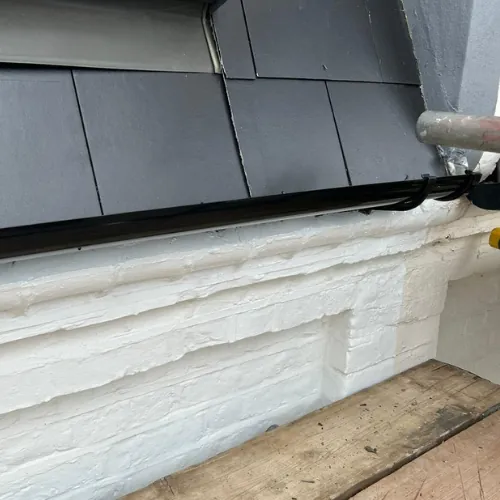
A roofer can replace individual tiles or slates, repair a specific section of felt underlay, or address damage confined to one slope of the roof. The key consideration is whether the existing materials are compatible with any new ones being introduced. On older roofs, matching tiles or slates can be difficult, and a good contractor will source appropriate replacements rather than using mismatched materials that compromise the roof’s integrity over time.
| Repair Type | Estimated UK Cost | Typical Timeframe |
|---|---|---|
| Single tile replacement | £150 – £300 | Half a day |
| Flashing repair | £200 – £450 | 1 day |
| Ridge tile repointing | £300 – £600 | 1 day |
| Flat roof patch repair | £250 – £500 | 1 day |
| Partial re-roofing (one slope) | £1,500 – £4,000 | 2 to 4 days |
| Full roof replacement | £5,000 – £15,000+ | 1 to 2 weeks |
How Much Should It Cost to Fix a Roof?
Cost is understandably one of the first concerns for any homeowner facing roof repairs. Prices in the UK vary significantly based on the type of repair, roof size, material, and your location, with labour costs notably higher in London and the South East.
For minor repairs such as replacing a few slipped tiles or resealing flashing, you should expect to pay between £150 and £500 in most parts of England. More involved work, such as repairing a section of flat roof or addressing widespread cracked mortar on ridge tiles, will typically fall between £500 and £2,000. Always request at least three written quotes before proceeding, and be wary of any contractor asking for a large cash payment upfront before work begins.
| Roof Material | Average Lifespan | Common Repair Needs |
|---|---|---|
| Concrete tiles | 30 to 50 years | Cracking, colour fade, moss |
| Natural slate | 75 to 150 years | Slippage, nail sickness |
| Clay tiles | 50 to 100 years | Cracking, frost damage |
| Felt flat roof | 10 to 20 years | Blistering, pooling water |
| EPDM rubber | 25 to 50 years | Seam separation, punctures |
| GRP fibreglass | 25 to 40 years | Cracking around edges |
Before approving any significant roof repair work, it is worth checking whether your project requires planning permission or falls under permitted development rules. The Planning Portal provides guidance specific to England and Wales on when roof alterations require formal consent. For homes in conservation areas or listed buildings, restrictions are stricter and your local authority must be consulted before work begins.
Health and safety compliance is also a legal requirement for anyone working at height. The Health and Safety Executive (HSE) publishes clear guidance on working at height regulations, which applies to both contractors and homeowners considering DIY repairs. You can review the relevant legislation at hse.gov.uk/work-at-height.
Can I Apply Roof Maxx Myself as a DIY Roof Treatment?
Roof Maxx is a soy-based rejuvenating treatment designed to restore flexibility to dried-out asphalt shingles, extending their lifespan without the cost of a full replacement. It is more commonly used in North America, where asphalt shingles dominate, but interest in similar roof treatment products is growing among UK homeowners with flat or mineral-felt roofs.
Applying any roof treatment yourself carries real risk, not just from working at height but from applying a product incorrectly and voiding any warranty on your existing roof materials. In the UK, most professional roofers would advise against DIY applications of liquid treatments to pitched roofs. If you are considering a sealant or treatment for a flat roof on a garage or extension, small sections may be manageable for a competent DIYer, but anything involving a pitched roof or a large surface area should be left to a qualified contractor.
What Is the Best Way to Repair a Roof and Keep It in Good Condition Long Term?
The best way to repair a roof is to act quickly when you spot a problem, use a qualified and insured contractor, and ensure the repair addresses the root cause rather than just masking symptoms. Temporary fixes such as roof putty or sealant tape have their place in an emergency, but they are not substitutes for proper remedial work carried out by someone who understands roofing properly.
Preventative maintenance plays a significant role in extending roof life and reducing the overall cost of repairs over time. Having your roof inspected annually, keeping gutters clear of debris, and trimming back overhanging branches all reduce the likelihood of unexpected damage. Many roofers offer maintenance contracts that include periodic inspections and minor repair work, which can be worthwhile for older properties or those with flat roof sections particularly prone to water ingress.
Long-term roof health is ultimately about consistency. A roof that receives regular attention and has minor issues resolved promptly will outlast one that is ignored until the damage becomes severe. If your roof is approaching the end of its expected lifespan or has required repeated repairs in recent years, a conversation with a trusted roofer about partial or full replacement may be more economical than continued patching.
What Is the Best Way to Repair a Roof: Frequently Asked Questions
Focus on addressing the specific source of damage rather than attempting cosmetic improvements across the whole roof. Getting multiple quotes and prioritising structural repairs over aesthetic ones will help you manage costs effectively.
Look for contractors registered with the National Federation of Roofing Contractors (NFRC) or TrustMark, as these schemes require members to meet quality and trading standards. Always ask for written quotes, check reviews, and confirm they carry public liability insurance before work begins.
Deteriorated or displaced flashing around chimneys, skylights, and roof junctions is responsible for the majority of leaks in UK properties. Cracked or missing tiles are also a frequent culprit, particularly after severe weather.
Walking on a roof without professional training and appropriate safety equipment is not advisable, as it risks personal injury and can cause additional damage to tiles or felt. A qualified roofer will carry out inspections safely using ladders, scaffold boards, or access platforms.
Minor repairs such as replacing a few tiles or resealing flashing can usually be completed within a single day. More extensive work involving partial re-roofing or structural repairs may take several days depending on the scale of the job.
Home insurance typically covers damage caused by sudden events such as storms, falling trees, or fire, but it generally excludes wear and tear or gradual deterioration. Always check your policy documents and contact your insurer before commissioning repairs to confirm what is covered.
Flashing is a thin layer of metal, usually lead or aluminium, fitted at junctions between the roof and vertical surfaces such as chimneys or walls to prevent water ingress. When flashing deteriorates or lifts, it becomes one of the most common entry points for water and should be repaired promptly.
In the UK, repairs to rental properties are generally allowable expenses against rental income for tax purposes, provided the work is like-for-like repair rather than an improvement. HMRC guidance on allowable expenses for landlords is available through the government’s official tax resources, and you should consult a tax adviser for your specific circumstances.
A roof repair addresses a specific area of damage, while a restoration typically involves treating or refurbishing the entire roof surface to extend its overall lifespan. Restoration is more appropriate when a roof is ageing but structurally sound, whereas repair targets isolated problems.
If repairs are being carried out repeatedly on the same areas, or if the roof is approaching the end of its material lifespan, replacement may be more cost-effective in the long run. A professional survey will give you an honest assessment of whether the structure can support further repair work.
Most like-for-like roof repairs do not require planning permission under permitted development rights, though there are exceptions for listed buildings and properties in conservation areas. You should always verify with your local planning authority if you are unsure whether your repair falls within permitted development.
Contact your home insurer as soon as possible to report the damage, document the affected areas with photographs, and arrange for a temporary cover such as tarpaulin to prevent further water ingress. Avoid attempting to inspect or repair the roof yourself in wet or windy conditions.
Annual roof inspections are recommended for most UK homes, with additional checks following severe weather events such as storms or heavy snowfall. Catching minor issues early through routine inspection is consistently more cost-effective than addressing advanced damage.
Visible daylight through the roof structure, significant water staining on ceilings or walls, sagging roof lines, and large numbers of displaced or broken tiles all indicate that urgent professional attention is needed. Delaying action when these signs appear risks further structural deterioration and significantly higher repair costs.