

Choosing between shingles and tile roofing represents one of the most significant decisions UK homeowners face when replacing or installing a new roof. This choice affects not only your property’s appearance and value but also long-term maintenance costs, energy efficiency, and structural requirements.
The roofing material you select must withstand Britain’s challenging weather patterns, from driving rain and snow to high winds and temperature fluctuations. Understanding the distinct advantages and limitations of each option enables informed decision-making that aligns with your budget, architectural style, and long-term property goals.
Are Tile Roofs Better Than Shingles?
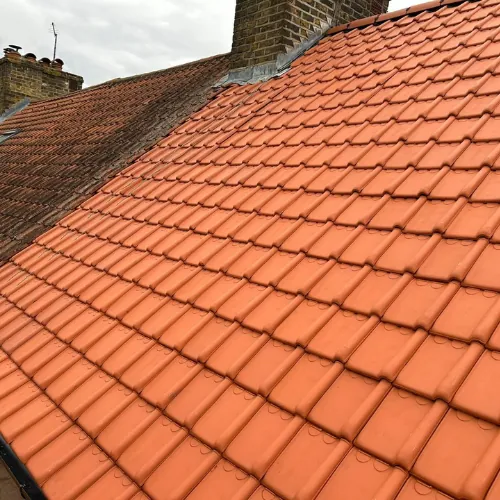
Tile roofs often outperform shingles in several critical areas, particularly longevity and weather resistance. Clay and concrete tiles typically last 50-100 years compared to asphalt shingles’ 20-30 year lifespan, making tiles a superior long-term investment despite higher initial costs.
Tile roofs excel in extreme weather conditions, offering superior resistance to wind uplift, hail damage, and fire. Their thermal mass properties provide excellent insulation, reducing heating costs during Britain’s cold winters whilst maintaining cooler indoor temperatures during summer months.
Need some Tile Roofing Support? Speak with one of our Tile Roofing Experts today!
What Are the Disadvantages of Tile Roofs?
Tile roofs impose significant structural demands that many UK properties cannot accommodate without costly reinforcement. Clay tiles weigh approximately 250-300kg per square metre compared to asphalt shingles’ 10-15kg per square metre, requiring robust roof trusses and potentially additional structural support.
Installation costs for tile roofs typically range from £100-200 per square metre versus £50-100 for quality shingles. Specialist installation requirements, longer installation timeframes, and the need for experienced roofers contribute to these elevated costs, making tiles prohibitively expensive for many homeowners.
| Roofing Material | Lifespan (Years) | Weight (kg/m²) | Cost Range (£/m²) | Maintenance Level |
|---|---|---|---|---|
| Clay Tiles | 50-100 | 250-300 | £100-200 | Low |
| Concrete Tiles | 30-50 | 200-250 | £80-150 | Medium |
| Asphalt Shingles | 20-30 | 10-15 | £50-100 | Medium-High |
| Slate Tiles | 75-150 | 300-400 | £150-300 | Very Low |
What’s the Best Roof to Put on Your House?
The optimal roofing choice depends on your property’s structural capacity, local planning restrictions, and long-term financial considerations. Victorian and Edwardian properties often suit traditional clay tiles that complement period architecture, whilst modern homes benefit from lightweight shingles that reduce structural stress.
Regional weather patterns significantly influence roofing performance, with coastal properties requiring materials resistant to salt corrosion and wind uplift. Properties in conservation areas face additional constraints, often requiring specific materials that maintain historical authenticity whilst meeting modern building standards established by local planning authorities.
Why Don’t We Use Shingles in the UK?
Shingle usage remains limited in the UK due to traditional building practices favouring tile and slate roofing systems. British building regulations, established through Building Regulations guidance, emphasise durability and weather resistance, leading to preference for heavier, more permanent roofing materials.
Cultural preferences and architectural heritage strongly influence UK roofing choices, with many homeowners viewing tiles as more appropriate for British architectural styles. However, modern high-quality shingles increasingly gain acceptance, particularly for contemporary properties and budget-conscious renovations where structural limitations prevent tile installation.
| Factor | Shingles Advantage | Tile Advantage |
|---|---|---|
| Initial Cost | 40-60% lower | Higher investment |
| Installation Speed | 2-3 days typical | 5-7 days typical |
| Structural Requirements | Minimal | Significant |
| Weather Performance | Good (quality brands) | Excellent |
| Aesthetic Options | Wide variety | Traditional appeal |
| Maintenance | Regular inspection needed | Minimal maintenance |
Choosing Between Shingles and Tile Roofing for Your Property
Successful roofing decisions require careful evaluation of structural capacity, budget constraints, and long-term objectives rather than simply choosing the most attractive option. Professional structural assessment determines whether your property can support tile roofing without costly reinforcement, whilst budget analysis should include installation, maintenance, and replacement costs over the material’s expected lifespan.
Modern high-quality shingles offer compelling advantages for many UK properties, providing excellent weather protection at significantly lower costs and reduced structural demands. Premium architectural shingles now feature enhanced wind resistance, improved fire ratings, and sophisticated colour options that complement contemporary British architectural styles.
The optimal choice ultimately balances immediate affordability with long-term value, considering factors such as property type, local weather conditions, and personal aesthetic preferences:
What is Better, Shingles or Tile Roof: Frequently Asked Questions
Tile roofs typically last 50-100 years compared to quality asphalt shingles lasting 20-30 years, making tiles a superior long-term investment. However, the significantly higher initial cost of tiles means the cost-per-year difference may be less dramatic than initially appears.
Most properties built before 1960 were designed for heavy slate or tile roofing, but modern properties often require structural assessment to determine tile suitability. A chartered structural engineer can evaluate your roof’s load-bearing capacity and recommend necessary reinforcement if required.
Conservation areas and listed buildings often restrict roofing materials to maintain historical authenticity, typically favouring traditional tiles over modern shingles. Check with your local planning authority before making final material selections to ensure compliance.
Tile roofs require minimal maintenance beyond annual inspections and occasional replacement of cracked tiles, whilst shingles need more frequent inspection for wind damage, algae growth, and granule loss. Professional maintenance schedules typically recommend bi-annual shingle inspections versus annual tile assessments.
Tile roofs provide superior thermal mass, reducing heating costs in winter and cooling costs in summer through natural temperature regulation. Quality shingles with proper underlayment also offer good insulation properties, though less effective than the thermal mass benefits of clay or concrete tiles.
Modern tiles resist winds up to 150mph when properly installed, whilst quality architectural shingles typically withstand 110-130mph winds with appropriate installation techniques. Both materials meet UK building standards for wind resistance when professionally installed according to manufacturer specifications.
Clay tiles offer superior environmental credentials through natural material composition, recyclability, and longevity reducing replacement frequency. Shingles increasingly feature recycled content and improved disposal methods, though their shorter lifespan creates more frequent replacement cycles.
Tile installation requires specialised expertise, structural considerations, and typically 5-7 days completion time for average residential properties. Shingle installation proceeds more rapidly with 2-3 days typical completion, requiring less specialised labour and fewer structural modifications.
Traditional clay tiles offer earthy tones including terracotta, brown, and grey that complement British architectural heritage, according to roofing materials guidance. Modern shingles provide extensive colour ranges including traditional slate greys, contemporary browns, and designer colour blends suitable for various architectural styles.
Insurance premiums may favour tile roofing due to superior fire resistance, wind performance, and longevity reducing claim frequency. However, the difference is typically minimal compared to other factors such as property location, age, and overall construction quality.
Premium tiles often feature 50-year manufacturer warranties with transferable coverage enhancing property value, whilst quality shingles typically offer 25-30 year warranties. Installation warranties usually span 5-10 years regardless of material choice, emphasising the importance of professional installation.
Individual tile replacement costs more per unit but damage typically affects fewer tiles due to superior weather resistance. Shingle repairs cost less per unit but may require larger affected areas to be replaced, particularly following severe weather events or normal wear patterns.
Structural capacity represents the primary determining factor, followed by budget considerations including long-term maintenance costs and energy efficiency benefits. Local planning restrictions, architectural compatibility, and personal aesthetic preferences should influence your final decision within structural and budgetary constraints.
Switching from tiles to shingles typically requires minimal structural modification and often reduces roof loading beneficially. Converting from shingles to tiles usually necessitates structural reinforcement assessment and potential modifications to ensure adequate load-bearing capacity for increased weight.