
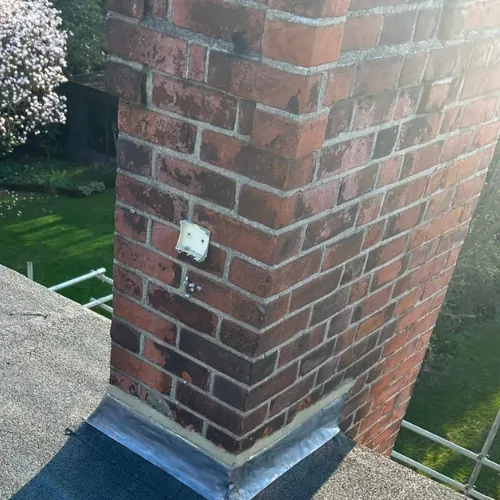
Chimney leaks during heavy rainfall are unfortunately more common than many homeowners realise, affecting thousands of UK properties each year. Whilst some minor moisture infiltration might occur during extreme weather conditions, persistent or significant leaking indicates underlying structural issues that require immediate attention.
Understanding the difference between normal weather-related moisture and problematic leaks is crucial for maintaining your property’s integrity. Heavy rain can expose existing vulnerabilities in your chimney system, from damaged flashing to deteriorated masonry, making it essential to recognise when professional intervention is necessary.
Is It Normal for Rain to Drip Down a Chimney?
Light moisture or occasional dripping during severe storms can occur even in well-maintained chimneys, particularly those without adequate caps or dampers. However, consistent water ingress or substantial dripping indicates serious defects that compromise both structural integrity and indoor air quality.
Modern chimney systems should incorporate multiple protective measures including weatherproof caps, functioning dampers, and properly sealed flashing. When these components fail or become damaged, rainwater can penetrate the chimney structure and cause extensive damage to surrounding masonry, timber frames, and interior finishes.
The distinction between acceptable moisture levels and problematic leaks often depends on the volume and frequency of water entry. Professional chimney specialists recommend investigating any visible water stains, persistent dampness, or musty odours around fireplace areas.
Need some Chimney Repairs Support? Speak with one of our Chimney Repairs Experts today!
How Do I Stop Rain Water from Coming Down My Chimney?
Installing a properly fitted chimney cap represents the most effective immediate solution for preventing rainwater infiltration. These protective covers feature mesh screening to prevent debris accumulation whilst allowing proper ventilation, and quality stainless steel models typically last 15-20 years with minimal maintenance.
Comprehensive waterproofing involves multiple protective strategies including flashing repair, crown restoration, and masonry sealing. Professional contractors often recommend breathable sealants that prevent water penetration whilst allowing trapped moisture to escape, preventing freeze-thaw damage during winter months.
| Preventive Solution | Effectiveness | Typical Cost Range | Lifespan |
|---|---|---|---|
| Chimney Cap Installation | 85-95% | £150-£400 | 15-20 years |
| Flashing Repair | 90-98% | £300-£800 | 10-15 years |
| Crown Restoration | 75-90% | £400-£1,200 | 20-30 years |
| Masonry Sealing | 70-85% | £200-£600 | 5-10 years |
Regular maintenance schedules should include annual inspections, particularly after severe weather events, to identify potential issues before they develop into costly repairs. Many problems can be addressed with relatively minor interventions when caught early.
Can You Claim on House Insurance for Leaking Chimney?
House insurance coverage for chimney leaks varies significantly depending on the underlying cause and your specific policy terms. Most standard policies cover sudden, accidental damage such as storm-related flashing displacement but exclude gradual deterioration or maintenance-related issues.
Successful claims typically require demonstrating that the damage resulted from a specific insurable event rather than general wear and tear. Insurance assessors often investigate the maintenance history of the chimney system, making documented regular inspections and repairs crucial for supporting any future claims.
The Association of British Insurers provides guidance on property insurance claims, emphasising the importance of understanding policy exclusions before problems arise. Many insurers require prompt notification of damage and may specify approved contractors for repair work to maintain coverage validity.
Documentation becomes essential when pursuing insurance claims, including photographs of damage, professional inspection reports, and evidence of previous maintenance efforts. Some policies offer additional cover for gradual damage through optional endorsements, which property owners should consider given the UK’s challenging weather conditions.
Is It Normal for Rain to Drop Down Chimneys?
Occasional light dripping during exceptional weather conditions may occur in older properties without modern protection systems, but regular water entry indicates fundamental design or maintenance failures. Well-constructed chimneys incorporate multiple barriers against water penetration, making consistent leaking abnormal and concerning.
The Building Regulations Approved Document J outlines construction standards for chimney systems, emphasising the importance of weatherproofing and proper ventilation. These regulations ensure new installations meet minimum performance standards for water resistance.
| Chimney Age | Expected Performance | Common Issues | Recommended Action |
|---|---|---|---|
| 0-10 years | Minimal water entry | Installation defects | Warranty inspection |
| 10-25 years | Slight moisture possible | Flashing deterioration | Annual maintenance |
| 25-50 years | Minor leaks during storms | Crown cracking | Professional assessment |
| 50+ years | Variable performance | Multiple system failures | Complete evaluation |
Professional chimney specialists can distinguish between acceptable moisture levels and problematic infiltration through comprehensive inspections using specialised equipment. These assessments often reveal multiple contributing factors requiring coordinated repair strategies.
Protecting Your Property from Chimney Water Damage
Preventing chimney leaks requires a proactive approach combining regular maintenance, quality materials, and professional expertise. The cost of preventive measures typically represents a fraction of the expense associated with extensive water damage repairs, making early intervention financially prudent.
Understanding your chimney’s vulnerability to water damage enables informed decision-making about protective investments. Different chimney designs and ages present varying risk levels, with older masonry systems generally requiring more frequent attention than modern prefabricated installations.
Seasonal preparation becomes particularly important in the UK climate, where rapid weather changes can stress chimney components and accelerate deterioration. Professional maintenance schedules should account for local weather patterns and the specific demands of your heating system usage.
Key protective strategies include:
Is It Normal for Chimneys to Leak During Heavy Rain: Frequently Asked Questions
Damaged or improperly installed flashing represents the primary cause of chimney leaks, accounting for approximately 85% of water infiltration issues. Poor chimney cap installation or missing caps contribute to most remaining cases.
Chimney leaks require immediate attention within 24-48 hours to prevent structural damage and mould growth. Delayed repairs can result in exponentially higher costs due to secondary damage to surrounding building materials.
Temporary measures such as tarpaulin covering or emergency sealants can provide short-term protection, but professional repairs are essential for permanent solutions. DIY attempts often worsen existing problems if improperly executed.
White staining (efflorescence) on masonry, rust stains around dampers, musty odours, and interior water stains signal significant water penetration. These symptoms typically indicate multiple system failures requiring comprehensive repair.
Minor flashing repairs typically cost £300-£500, whilst comprehensive restoration including crown rebuilding and repointing can exceed £2,000. Early intervention generally reduces overall repair expenses significantly.
Modern building standards require chimney caps for weather protection and debris prevention, though some traditional designs relied on alternative methods. According to Wikipedia’s chimney construction guidelines, caps represent essential protective components for contemporary installations.
Never operate fireplaces with active water leaks due to safety risks including electrical hazards and carbon monoxide accumulation. Professional inspection and repair must precede any further use of the heating system.
Leaks produce continuous water flow during rainfall, whilst condensation appears as moisture buildup during temperature changes. Professional assessment can distinguish between these issues through specialised diagnostic techniques.
Quality chimney repairs using appropriate materials generally last 10-20 years depending on exposure conditions and maintenance. Regular inspections can extend repair longevity through early identification of developing issues.
Unrepaired chimney damage can reduce property values by £5,000-£15,000 due to buyer concerns about hidden structural issues. Professional certification of repairs helps maintain market confidence and property valuations.
Insurance claims require photographic evidence, professional inspection reports, repair estimates, and proof of regular maintenance. The Financial Conduct Authority provides guidance on insurance claim procedures for property damage.
Current Building Regulations Part J specify weatherproofing requirements for new chimney installations, including flashing specifications and ventilation standards. Existing chimneys aren’t required to meet current standards unless undergoing major alterations.
The National Association of Chimney Sweeps maintains directories of certified professionals with appropriate insurance and training credentials. Local building control departments also provide contractor recommendation services for structural repairs.
Freeze-thaw cycles combined with heavy rainfall create the most damaging conditions, particularly for older masonry chimneys. Wind-driven rain can penetrate normally protected areas, making comprehensive weatherproofing essential.