

Removing a chimney represents a significant home improvement decision that requires careful consideration of both financial and structural implications. The cost varies substantially depending on factors such as chimney size, accessibility, materials involved, and the extent of removal required.
Understanding these cost variables helps homeowners make informed decisions about whether chimney removal aligns with their renovation goals and budget constraints. Professional assessment remains essential for determining accurate pricing and ensuring compliance with building regulations.
How Much Does It Cost to Remove a Chimney in the UK?
Chimney removal costs in the UK typically range from £1,500 to £6,000 for a complete removal project. This broad range reflects significant variations in project complexity, with partial removals starting from around £800 and full structural removals potentially exceeding £8,000 in challenging situations.
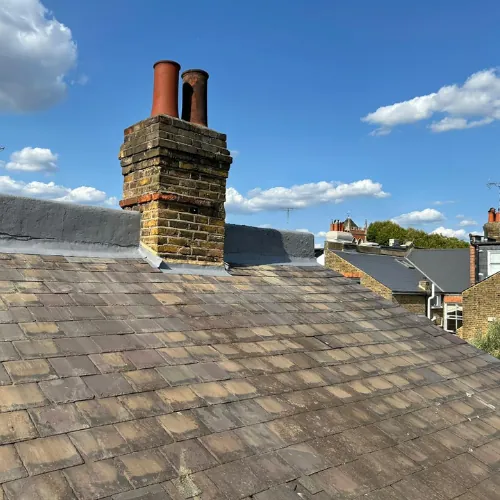
Several factors influence the final cost, including the chimney’s height, construction materials, roof type, and accessibility for contractors. Properties with slate roofs or complex architectural features often incur higher costs due to the specialised expertise required for proper restoration after chimney removal.
| Removal Type | Cost Range | Typical Duration |
|---|---|---|
| Partial removal (above roof line) | £800 – £2,500 | 1-2 days |
| Complete removal (including stack) | £2,000 – £6,000 | 2-4 days |
| Full structural removal (breast included) | £3,500 – £8,000+ | 3-7 days |
Need some Chimney Removal Support? Speak with one of our Chimney Removal Experts today!
Does Removing a Chimney Devalue a House?
Chimney removal can impact property value either positively or negatively depending on local market preferences and the quality of restoration work completed. In many modern UK markets, removing unused chimneys actually increases value by creating additional living space and eliminating ongoing maintenance concerns.
However, period properties or homes in conservation areas may experience value reduction if chimney removal compromises the building’s historical character. Estate agents consistently advise homeowners to consider their property’s architectural significance and local planning restrictions before proceeding with chimney removal projects.
The key to maintaining or increasing property value lies in professional execution and appropriate replacement work. Well-planned chimney removal that creates usable space or improves the property’s functionality typically enhances rather than diminishes market appeal.
How Much Does It Cost to Remove an Entire Chimney?
Complete chimney removal, including the chimney breast and foundation stack, represents the most comprehensive and expensive option available to homeowners. This extensive work typically costs between £3,500 and £8,000, with complex projects potentially exceeding these estimates significantly.
The process involves removing all visible and hidden chimney structures, including the breast that extends through multiple floors and the underground foundation. This comprehensive approach requires structural engineering assessments, building control approval, and often necessitates significant restoration work to walls, floors, and roofing systems.
Professional contractors must address load-bearing considerations, install appropriate support structures, and ensure proper weatherproofing throughout the removal process. The UK’s Planning Portal provides essential guidance on building regulations compliance for major structural alterations like complete chimney removal.
Do Roofers Remove Chimneys?
Many experienced roofers possess the skills necessary for chimney removal projects, particularly those involving partial removal above the roof line. However, complete chimney removal often requires collaboration between multiple trades, including structural engineers, builders, and specialised demolition contractors.
Qualified roofers typically handle the dismantling of chimney stacks, pot removal, and subsequent roof repairs with confidence and expertise. Their knowledge of roofing materials, weatherproofing techniques, and structural considerations makes them valuable team members for chimney removal projects.
The most successful chimney removal projects involve coordinated teams where roofers work alongside building specialists who understand structural implications. The Health and Safety Executive (HSE) provides comprehensive guidelines for safe working practices during demolition and roofing projects.
| Professional Type | Responsibilities | Typical Cost |
|---|---|---|
| Structural Engineer | Assessment, calculations, certification | £500 – £1,200 |
| Roofer | Stack removal, roof repairs, weatherproofing | £800 – £2,500 |
| Builder/General Contractor | Breast removal, structural work, finishing | £1,500 – £4,000 |
| Building Control | Inspections, compliance certification | £300 – £600 |
Understanding Chimney Removal Costs: Making Informed Property Decisions
Chimney removal represents a substantial investment that requires thorough planning, professional assessment, and clear understanding of both immediate costs and long-term implications. The financial outlay extends beyond the basic removal work to encompass building control fees, structural assessments, and comprehensive restoration of affected areas.
Successful projects depend on choosing qualified professionals who understand both the technical and regulatory aspects of chimney removal in the UK market. Homeowners benefit from obtaining multiple quotes, verifying contractor credentials, and ensuring all necessary permissions are secured before work commences.
The decision to remove a chimney should align with broader property improvement goals, considering factors such as space utilisation, maintenance reduction, and potential impact on resale value. Professional guidance helps ensure that this significant investment delivers the intended benefits while maintaining structural integrity and regulatory compliance.
Key considerations for chimney removal projects:
How Much Does It Cost to Have a Chimney Removed: Frequently Asked Questions
Building regulations approval is typically required for chimney removal projects in Capel, particularly those involving structural changes or complete removal of chimney breasts. Planning permission may also be necessary for properties in conservation areas or listed buildings, so consultation with local planning authorities is essential.
Partial chimney removal above the roof line usually takes 1-2 days, while complete removal including the breast can take 3-7 days depending on complexity. Weather conditions, access difficulties, and the need for structural modifications can extend project timelines significantly in Capel properties.
Chimney removal is not a suitable DIY project due to structural, safety, and regulatory considerations that require professional expertise. The work involves potential hazards including working at height, structural modifications, and compliance with building regulations that necessitate qualified contractor involvement.
The space formerly occupied by a chimney breast can be integrated into existing rooms, creating additional floor area or storage opportunities. Professional finishing work including plastering, flooring, and decoration is required to seamlessly blend the reclaimed space with existing room layouts in Capel properties.
Most insurers require notification of structural alterations like chimney removal, though this rarely affects coverage negatively if work is completed professionally with proper certification. Providing building control certificates and contractor warranties helps ensure continued insurance compliance and protection for Capel homeowners.
Scaffolding typically adds £300-800 to chimney removal projects depending on house height and access requirements. This essential safety equipment allows contractors to work safely while protecting surrounding property from falling debris during the removal process in Capel.
Complex roof structures, difficult access, slate or premium roofing materials, and structural complications significantly increase removal costs. Properties requiring extensive restoration work or those with multiple chimney connections typically incur higher expenses than straightforward single-stack removals.
Structural engineering assessment is strongly recommended for chimney breast removal and often required by building control departments for compliance certification. Engineers provide crucial calculations ensuring safe load redistribution and proper structural support during and after removal work.
Properly executed chimney removal with appropriate weatherproofing and cavity sealing prevents damp issues effectively. However, poor workmanship or inadequate sealing can create moisture ingress problems that require expensive remediation, emphasising the importance of choosing qualified contractors in Capel.
Comprehensive quotes should include demolition work, debris removal, roof repairs, weatherproofing, basic restoration, and building control liaison. Additional costs for structural engineering, extensive repairs, or premium finishing materials are often quoted separately for transparency.
Verify contractor credentials including insurance coverage, relevant experience, and positive customer references from similar projects. Membership of recognised trade bodies and willingness to provide detailed written quotes with breakdown costs indicates professional competence and reliability for Capel properties.
Spring and summer months offer optimal conditions for chimney removal due to better weather, longer daylight hours, and reduced risk of weather-related delays. However, qualified contractors can work year-round with appropriate safety measures and weather protection strategies in Capel.
Restoration typically includes roof repairs, external wall pointing or rendering, internal plastering, flooring repairs, and decoration work. The extent depends on removal type, with complete chimney breast removal requiring more comprehensive restoration than partial stack removal in Capel properties.
Chimney removal generally qualifies as a capital improvement rather than maintenance, meaning costs cannot typically be claimed as tax-deductible expenses. However, professional tax advice is recommended as individual circumstances and property use may affect eligibility for relief or allowances.